
Properties Cleared Without Regrowth Taking Over
Brush removal in Sidney for dense vegetation, old homesite debris, and land maintenance projects
Dense vegetation and debris accumulate on rural properties, old homesites, and land slated for development or ongoing maintenance, creating access barriers and fire hazard conditions when left unmanaged through multiple growth seasons. Goodhue Enterprises provides full debris collection and hauling, addressing the tradeoff between on-site grinding that leaves mulch behind and complete removal that clears the property of all organic material. Seasonal cleanup tied to winter prep and spring growth cycles helps prevent regrowth from establishing root systems that make future clearing harder and more time-consuming.
Load staging and transport scheduling keep work zones clear as brush gets cut and piled, so your property doesn't become a debris storage area while waiting for haul-away trucks to arrive days or weeks later. The integrated disposal process ensures material goes to permitted facilities and doesn't return to your land as dumped piles or scattered debris.
Arrange a property review to identify brush density and discuss whether hauling or grinding fits your maintenance plan.
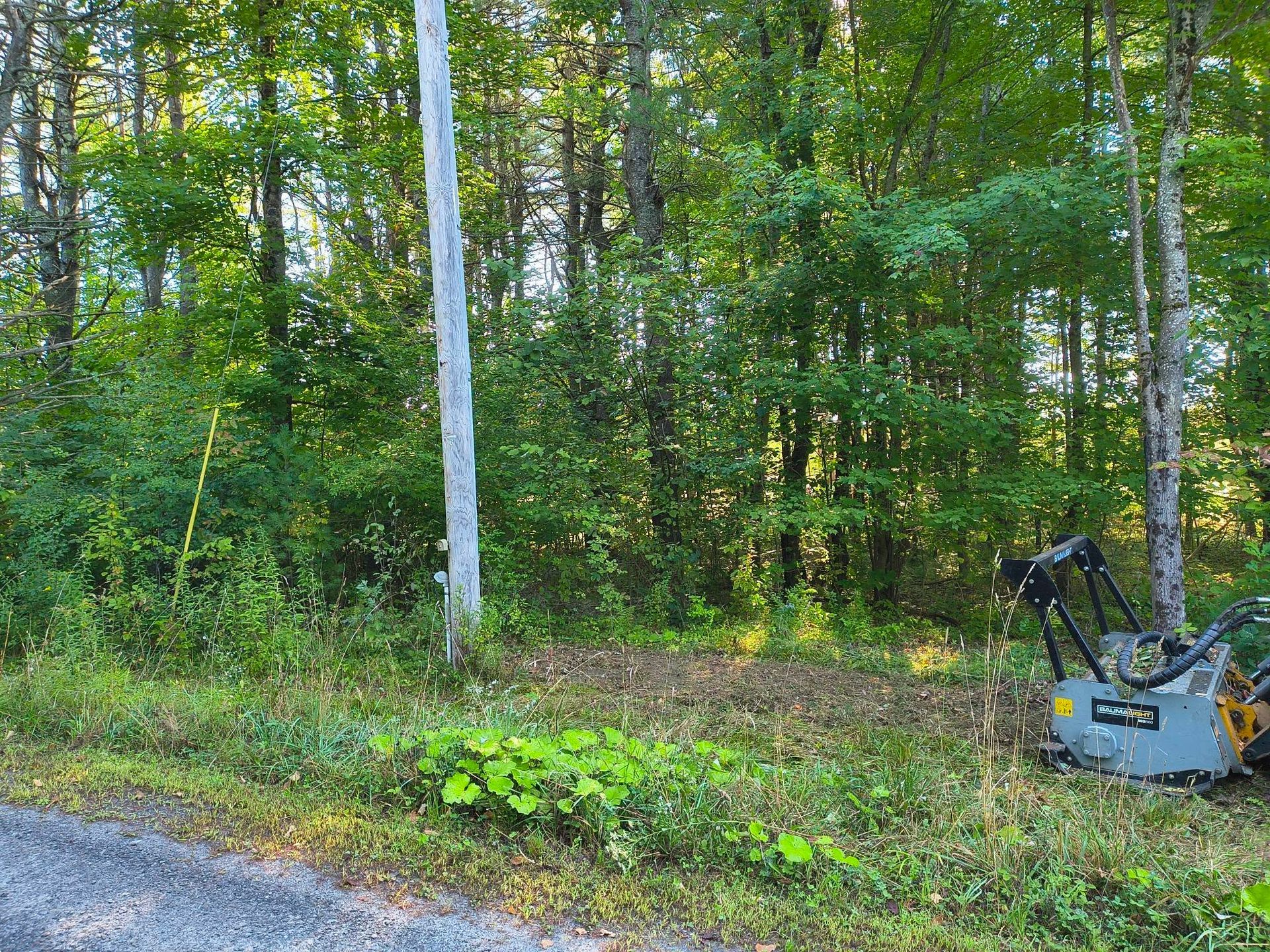
What Changes After Brush Clearing Completes
Brush removal involves cutting vegetation at ground level, separating woody material from green waste, and loading it into trucks or dumpsters for transport rather than leaving piles to decompose on-site. Property access determines whether material gets hauled in stages or cleared in one visit, and disposal preference decides if you want everything removed or if some material stays as ground cover.
Once the crew finishes, you'll notice clear property lines, accessible ground where foot and vehicle traffic can move without fighting through undergrowth, and no debris piles waiting for secondary cleanup. Maintained clear zones stay open because the root systems and seed sources that drove regrowth are gone, not just cut back to resprout in the next growing season.
Brush removal differs from forestry mulching in material handling—removal hauls everything away, while mulching grinds material on-site and leaves it as ground cover. The choice depends on whether you need bare ground for construction or development, or if natural decomposition and regrowth suppression from mulch works for long-term land management.
Questions Property Owners Usually Ask
Brush clearing questions often focus on timing, disposal methods, and how to prevent cleared areas from becoming overgrown again within a few seasons.
What's the difference between brush removal and forestry mulching?
Brush removal hauls all material off the property, leaving bare ground, while mulching grinds vegetation on-site and spreads it as ground cover that suppresses regrowth.
How soon will brush grow back after clearing?
Regrowth speed depends on root removal thoroughness and whether seeds remain in the soil, but full debris hauling and root extraction slow regrowth compared to surface cutting that leaves stumps and root systems intact.
Can brush removal handle old buildings and debris mixed with vegetation?
Combined projects that include demolition debris, old fencing, and organic material require coordination between brush clearing and dumpster rental to separate waste streams for proper disposal.
When should I schedule brush removal in Sidney to avoid regrowth problems?
Late fall after the growing season ends or early spring before new shoots establish gives you the longest clear period before regrowth starts, and winter prep timing prevents spring growth from filling in cleared zones.
What happens to the brush after it leaves my property?
Material goes to permitted disposal sites or composting facilities depending on waste type, and the integrated process means you're not responsible for finding a disposal location or arranging secondary hauling.
Goodhue Enterprises handles load staging, transport, and disposal coordination, so cleared material leaves your property without creating secondary cleanup work. Call to discuss your brush density and get a straightforward estimate based on site conditions.