
Access Lanes Maintained Year After Year
Roadside mowing in Sidney for right-of-way clearing, property line maintenance, and tree sapling control
Overgrowth along roads and driveways encroaches on travel lanes, blocks sight lines at intersections, and allows tree saplings to establish root systems that turn into clearing problems within a few seasons if left unmanaged. Equipment-based roadside mowing handles vegetation at the edge, treating saplings and brush growth before they reach sizes that require chainsaw work or stump grinding, and either blowing debris off paved surfaces or hauling it away so material doesn't scatter back onto the road during the next windstorm. Goodhue Enterprises maintains right-of-way clearing and property line edges, preventing regrowth from narrowing access lanes or creating visibility hazards where driveways meet public roads.
Seasonal growth and regional mowing schedules create predictable maintenance windows—spring growth drives early-season mowing, while late summer and fall work prepares edges for winter and removes material before freeze-thaw cycles lock debris in place until spring thaw. Routine scheduling aligned with growth patterns keeps your access clear without waiting for overgrowth to become a safety or aesthetics problem.
Arrange an edge assessment to review your property line vegetation and set up a mowing schedule that prevents regrowth from closing in on travel surfaces.
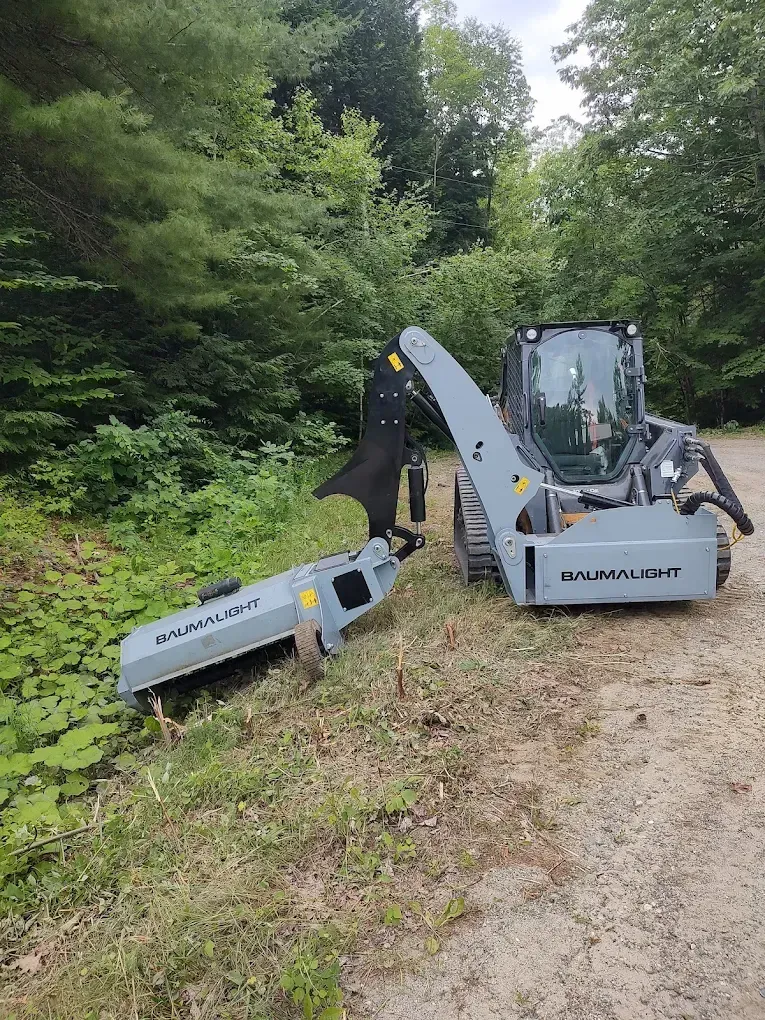
What Roadside Maintenance Actually Accomplishes
Roadside mowing involves running cutting equipment along the edge of paved or gravel surfaces, trimming vegetation to a consistent height, and addressing saplings and woody growth before they require mechanical removal instead of mowing passes. Debris removal—either blown clear of the road or collected and hauled—prevents material from drying and becoming a fire hazard or blowing back onto the travel surface where it creates traction problems during wet conditions.
Once mowing is finished, you'll notice clear sight lines at driveway entrances and intersections, vegetation held back from encroaching on pavement edges, and no sapling clusters growing into the travel corridor. Consistent maintenance keeps the cleared zone stable because regrowth gets cut before root systems expand, so each mowing pass takes less time than initial clearing that removes years of accumulated growth.
Mowing differs from brush removal in scope and material handling—mowing addresses seasonal growth and light vegetation, while brush removal tackles dense overgrowth, fallen timber, and established woody material that mowing equipment can't process. Scheduling mowing during active growth seasons prevents the need for heavier clearing work later, reducing long-term maintenance costs and keeping access lanes consistently open.
Answers to Frequent Service Questions
Mowing questions often focus on scheduling frequency, debris handling, and how to prevent roadside vegetation from becoming a recurring problem that requires constant attention.
How often should roadside mowing happen to prevent overgrowth?
Most properties benefit from two to three mowing passes per season—one in late spring after initial growth, another in mid-summer, and a final pass in early fall before winter prep begins.
What happens to the cut vegetation after mowing finishes?
Debris either gets blown off the road surface and left to decompose in the shoulder area, or collected and hauled away if material volume creates fire hazard or aesthetic concerns.
Can roadside mowing handle tree saplings and woody growth?
Mowing equipment processes saplings and light brush, but established trees or dense woody material require brush removal or forestry mulching rather than repeated mowing attempts that damage equipment.
When is the best time to schedule mowing in Sidney to avoid regrowth problems?
Late spring mowing after initial growth surge and early fall mowing before winter prep gives the longest clear period, aligning with seasonal growth cycles common across central Maine.
Will mowing damage the edge of my gravel driveway or road surface?
Equipment operators route along the shoulder to avoid disturbing gravel or pavement edges, maintaining the travel surface while cutting vegetation back to the property line or right-of-way boundary.
Goodhue Enterprises provides routine mowing schedules that match seasonal growth patterns, so your property lines and access lanes stay clear without emergency clearing calls when overgrowth blocks travel. Call to set up a maintenance plan and confirm availability during peak growth periods.