
Ground Ready Before Construction Starts
Site preparation in Sidney for construction clearing, demolition readiness, and new development projects
Pre-construction clearing in Maine requires freeze-thaw assessment and drainage planning, which matter in Kennebec County where seasonal moisture management prevents foundation settling and water intrusion after the building is complete. Goodhue Enterprises clears and grades land for construction, demolition, or new development by removing debris, assessing grading needs, and coordinating utility marking to prevent damage to underground systems during excavation or equipment operation. Equipment routing during site prep keeps underground utilities intact, because damaged lines create project delays and costly emergency repairs that push timelines back weeks.
Multi-service capability across dumpster rental, demolition, and stump grinding means one operator handles complete site readiness rather than coordinating separate contractors for each clearing phase. Seasonal ground condition evaluation determines if prep work happens during frozen periods when equipment weight won't rut soft soil, or if grading waits until spring thaw settles and drainage patterns stabilize.
Set up an initial site visit to review grading requirements and coordinate your construction timeline with clearing work.
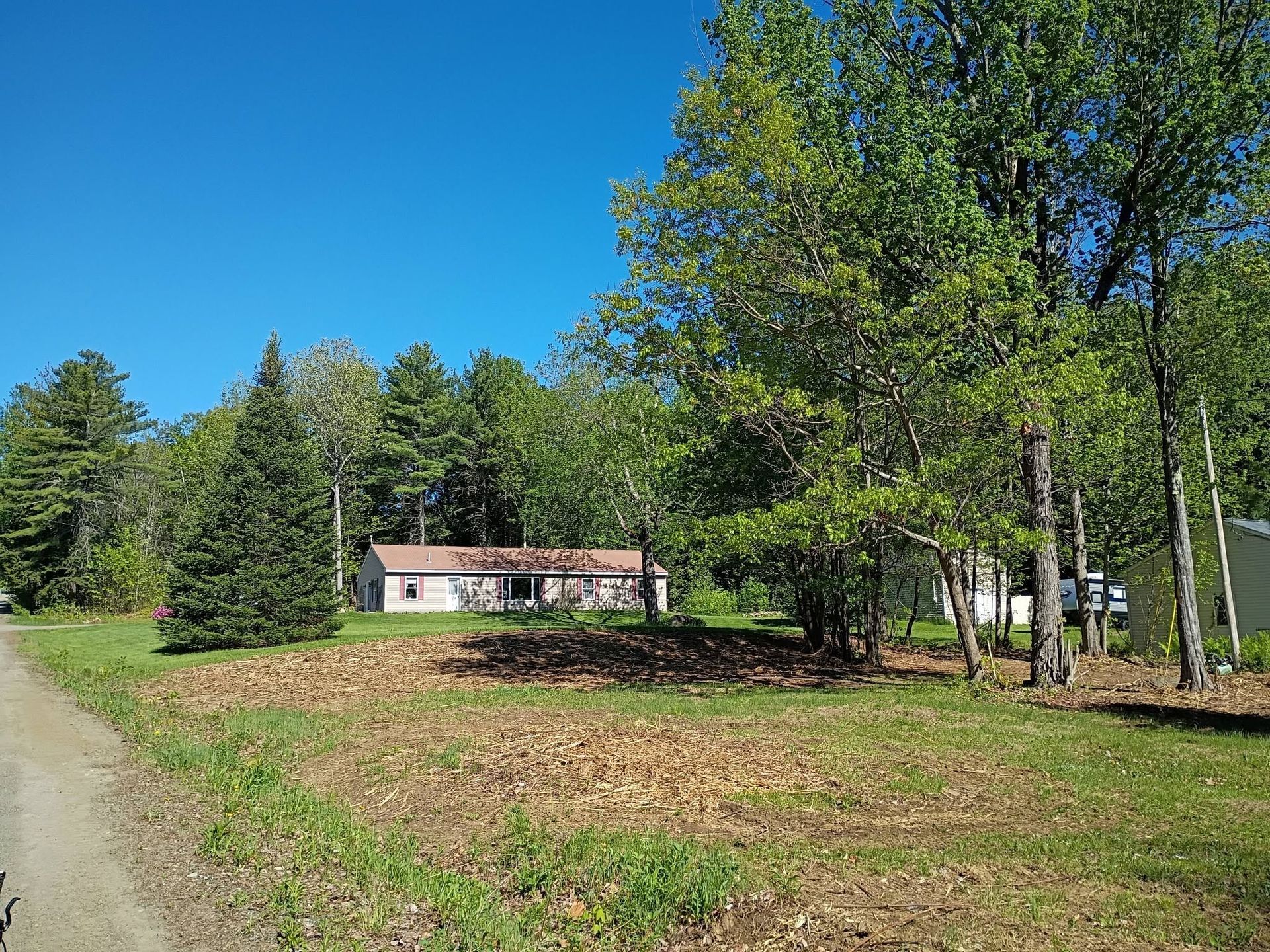
Why Proper Site Prep Works for Construction Timelines
Site preparation begins with debris removal and vegetation clearing, followed by rough grading that establishes drainage slope and foundation elevation, then utility marking to confirm no underground lines cross excavation zones. Each step prevents problems that surface later—poor drainage creates foundation moisture issues, unmarked utilities get severed during digging, and uncleared debris forces equipment operators to work around obstacles instead of following efficient paths.
After prep work finishes, your construction crew arrives to find clear access routes, graded soil that directs water away from the building footprint, and marked utility corridors that guide excavation without risk of line strikes. The site stays accessible because freeze-thaw planning ensured ground conditions could support equipment weight during prep and construction phases, not just during the initial clearing visit.
Site preparation scope varies by project—residential construction may only need vegetation clearing and rough grading, while commercial development requires detailed drainage engineering, soil compaction testing, and multi-phase clearing as the project advances. Full-scope operations that include demolition and debris hauling streamline scheduling when old structures need removal before new construction begins.
What Property Owners Usually Ask
Construction site questions typically address timing, utility coordination, and how seasonal ground conditions in central Maine affect when clearing and grading can happen safely.
What does site preparation include for a new construction project?
Preparation covers vegetation and debris removal, rough grading to establish drainage slope, utility marking to prevent underground damage, and access route clearing so construction equipment can reach the building footprint.
How long does site preparation take before construction can start?
Clearing and grading timelines depend on property size and debris density, but typical residential sites see prep work completed in one to three days once equipment arrives and utility marking is confirmed.
When should I schedule site preparation in Sidney to avoid ground condition problems?
Frozen ground during late fall and winter supports heavy equipment without rutting, while spring and summer work requires monitoring soil moisture to prevent compaction and drainage disruption.
What happens if underground utilities aren't marked before clearing starts?
Unmarked utility strikes cause project delays, emergency repair costs, and potential safety hazards, so coordination with utility companies happens before any excavation or grading equipment enters the site.
Can site preparation handle demolition and clearing together?
Combined projects that remove existing structures and prepare the site for new construction reduce scheduling complexity and equipment mobilization costs compared to hiring separate contractors for each phase.
Goodhue Enterprises coordinates utility marking, equipment scheduling, and multi-phase clearing to keep your construction timeline on track without delays from incomplete prep work. Call to discuss your development scope and confirm seasonal availability for your project start date.