
Trails Built to Drainage and Erosion Standards
Public trail building and maintenance in Sidney for municipal projects, community paths, and erosion-resistant access routes
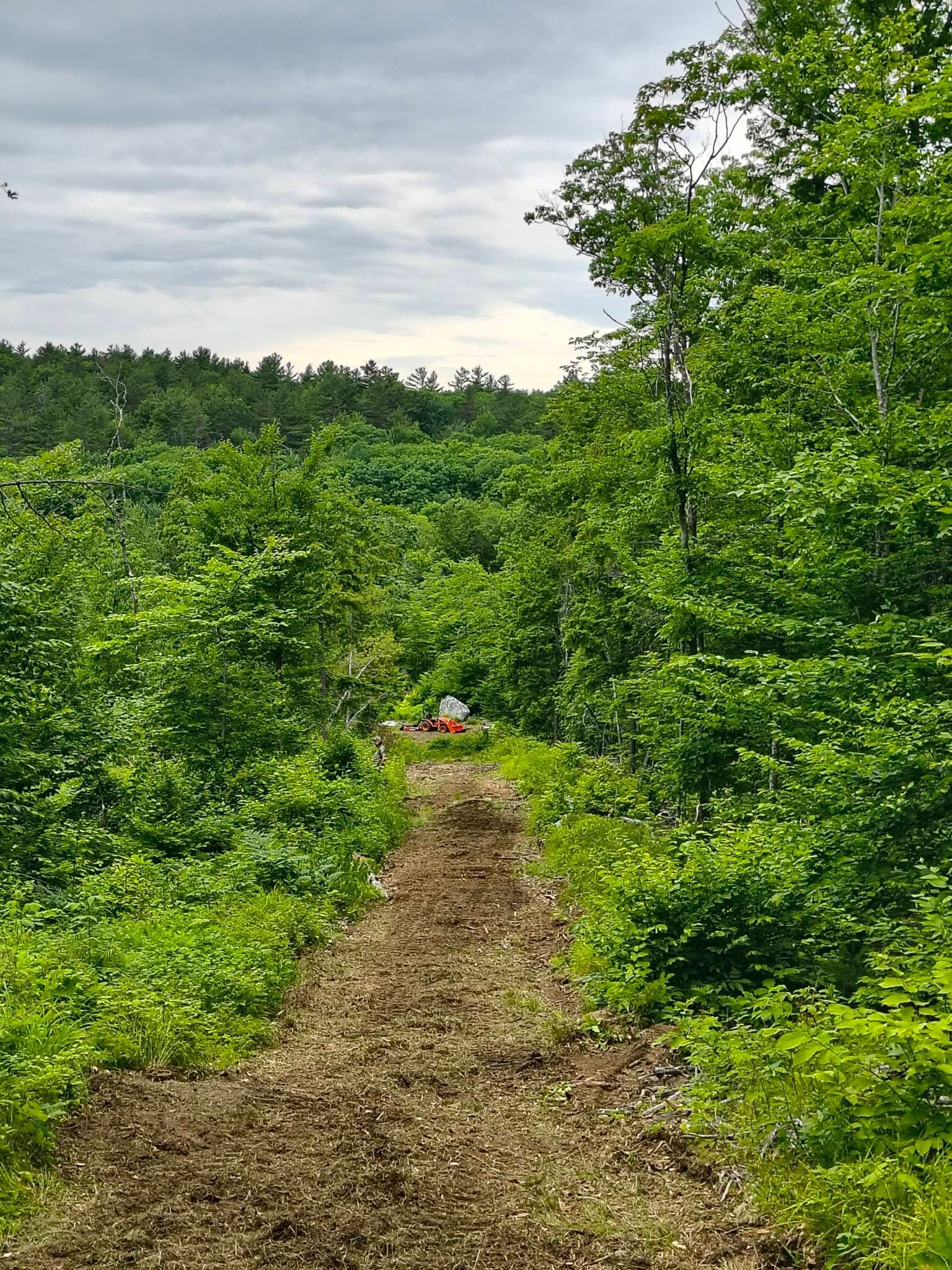
Public trails handle foot traffic, seasonal weather, and slope runoff while meeting official standards for grade, drainage, and tread width—standards that prevent erosion washout and keep trails passable year-round. Goodhue Enterprises constructs and maintains public trails for municipalities and community organizations in Sidney and Kennebec County, following trail-building protocols that route drainage off the tread surface and stabilize high-traffic sections prone to freeze-thaw damage. The same owner-operator who discusses your project requirements handles the grading equipment and coordinates seasonal maintenance schedules.
Trail construction starts with grade assessment to identify sections where water will concentrate and cause erosion. Drainage routing channels runoff into swales or water bars before it picks up speed and cuts channels across the trail. Surface material selection depends on anticipated traffic and soil type—compacted stone for high-use sections, native soil stabilized with drainage features for lighter-traffic trails.
Contact us for a free estimate and discuss public trail building or seasonal maintenance requirements.
What Proper Trail Construction Prevents Long-Term
Well-built trails resist erosion by managing water before it gains velocity, using grade reversals and drainage dips to move runoff off the tread surface. Tread width stays consistent because edge maintenance prevents vegetation encroachment, and surface materials don't wash away during heavy rain because drainage structures intercept flow at regular intervals.
After construction or major maintenance, you'll see a stable tread surface that drains cleanly during rain, defined edges that resist vegetation overgrowth, and slope sections that don't develop gullies or exposed roots. Freeze-thaw cycles still affect trail surfaces in central Maine, but properly installed drainage prevents water from saturating the trail base and causing frost heave damage.
Seasonal maintenance includes clearing drainage structures before spring runoff, trimming encroaching vegetation during the growing season, and grading sections where traffic has worn ruts or displaced surface material. Maintenance frequency depends on trail usage and weather exposure—high-traffic trails in wet areas need more frequent attention than lightly used trails on well-drained terrain.
What Property Owners Usually Ask
Municipalities and community organizations planning public trail projects ask practical questions about construction standards and long-term upkeep before moving forward.
What drainage features prevent erosion on sloped trail sections?
Water bars, grade reversals, and outslope design move water off the trail before it concentrates and cuts channels. Water bars are angled dips that divert flow off the tread; grade reversals change the trail slope direction to interrupt runoff velocity.
How does freeze-thaw damage affect trails in Sidney?
Water infiltrates the trail base, freezes, expands, and heaves the surface. When it thaws, voids remain and the trail surface becomes uneven or muddy. Proper drainage routing reduces water infiltration and limits freeze-thaw impact on trail stability.
What tread surface materials work best for public trails in Kennebec County?
Compacted crushed stone works well for high-traffic trails and provides firm footing in wet conditions. Native soil trails cost less but require more maintenance and perform best on well-drained terrain with moderate use.
When should seasonal trail maintenance happen?
Spring maintenance clears winter debris and repairs frost damage, summer maintenance trims encroaching vegetation, and fall maintenance preps drainage structures for winter runoff. Timing depends on trail usage patterns and seasonal weather conditions.
How often do trails need edge maintenance to prevent overgrowth?
Most trails need vegetation trimming once or twice per growing season to keep the tread width clear and prevent roots from encroaching on the surface. High-growth areas or trails through dense vegetation require more frequent attention.
Goodhue Enterprises builds and maintains public trails following erosion control and drainage standards, with seasonal maintenance scheduling that keeps trails passable without reactive repairs. Call for a free estimate to discuss your trail project scope and long-term maintenance planning.