
Land Access Routes Designed for Runoff Control
Private trail building and maintenance in Sidney for property access, erosion management, and freeze-thaw-rated surface durability
A private trail across wooded property or open land provides equipment access, recreation routes, and forest management pathways—but only if drainage keeps the surface from washing out during spring runoff or turning into mud pits after heavy rain. Private trail construction combines erosion control grading, surface materials rated for freeze-thaw cycles, drainage swales that route water off the trail, and documented maintenance schedules based on usage and weather exposure. Goodhue Enterprises builds and maintains private trails for residential and commercial properties in Sidney and Kennebec County, handling both initial installation and year-round upkeep.
Installation begins with routing the trail to minimize slope and avoid low areas where water collects. Drainage swales and water bars get installed at intervals to intercept runoff before it picks up speed and cuts channels. Surface material selection depends on anticipated use—compacted stone for vehicle access, lighter gravel or stabilized soil for foot traffic or seasonal use.
Request a free estimate for private trail building or year-round maintenance planning.
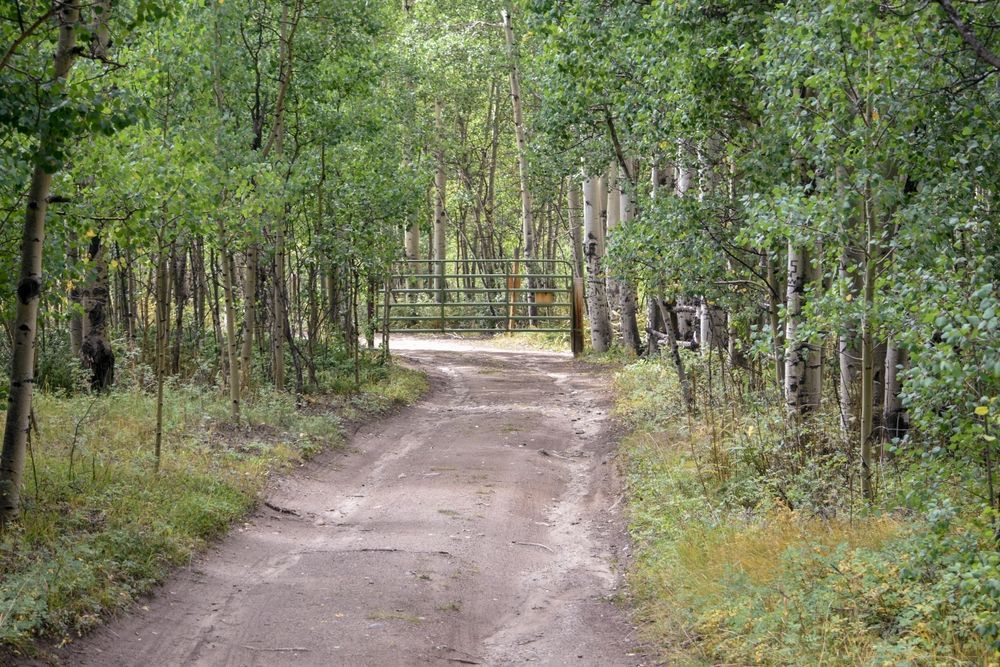
What You Notice Once Drainage Systems Are Finished
After construction, water runs off the trail surface during rain instead of pooling or cutting ruts. The trail stays passable in wet conditions because the base doesn't saturate and turn muddy, and freeze-thaw cycles cause minimal heaving because drainage prevents water from infiltrating the base layer. Slope sections remain stable without developing gullies or exposing roots.
Maintenance involves clearing drainage structures before spring runoff, grading sections where traffic has created ruts, and trimming vegetation that encroaches on the trail width. Frequency depends on usage intensity and local weather—trails used frequently or located in wet terrain need seasonal attention, while lightly used trails on well-drained ground may go a full year between maintenance visits. Skipping maintenance allows drainage features to clog and vegetation to narrow the trail, which accelerates erosion and surface damage.
Water bar installation and drainage swale design can be adjusted based on observed runoff patterns. Properties with steep sections or heavy spring runoff may need additional drainage features installed after the first wet season reveals where water concentrates.
Common Questions About This Service
Property owners planning private trail construction or dealing with existing trail erosion ask similar questions about design and upkeep before starting work.
What's the difference between private and public trail construction?
Public trails follow municipal or state standards for grade, width, and accessibility. Private trails are designed around property-specific needs—equipment access, terrain constraints, and budget—without mandated specifications, though erosion control principles remain the same.
How do water bars prevent trail erosion?
Water bars are angled dips or barriers installed across the trail that divert runoff off the tread surface before it concentrates and cuts channels. Spacing depends on slope—steeper sections need water bars closer together to manage faster-moving runoff.
Why does trail surface material matter in Kennebec County?
Freeze-thaw cycles heave and damage trail surfaces that retain water. Crushed stone with angular edges compacts well and drains quickly, resisting frost damage better than round gravel or bare soil that holds moisture.
What maintenance does a private trail need after installation?
Seasonal maintenance includes clearing drainage structures before spring, grading ruts caused by traffic or equipment, and trimming vegetation that narrows the trail. Maintenance frequency depends on usage and weather exposure.
When should I schedule trail building if I need year-round access?
Build during dry summer or early fall when ground is firm and equipment can access the route without creating ruts. Avoid spring construction during thaw when wet soil compacts poorly and equipment causes more site disturbance.
Goodhue Enterprises handles private trail construction and maintenance as part of integrated land management services across Sidney and central Maine, combining access route design with erosion control and seasonal upkeep. Call for a free estimate to walk your property and discuss trail routing, drainage needs, and maintenance schedules based on how you use the land.